If you've lived in the Piedmont for more than a summer, you already know the drill: thick, sticky humidity from May through September, mild winters that can still swing into an ice storm, and crawlspaces that stay damp longer than anywhere up north. All of that matters more than most homeowners realize when picking a floor, because wood-based materials expand and contract with moisture in the air. Here's how the most popular options actually perform in a Waxhaw or greater Charlotte home.
Why Humidity Is the Real Decision-Maker Here
Wood is hygroscopic - it absorbs and releases moisture from the surrounding air. In a climate that swings from humid summers to drier winter heating season, that means natural movement is normal. The question isn't whether your floor will react to humidity, it's how much, and how well the product is built to handle it.
Solid Hardwood: Beautiful, but Climate-Sensitive
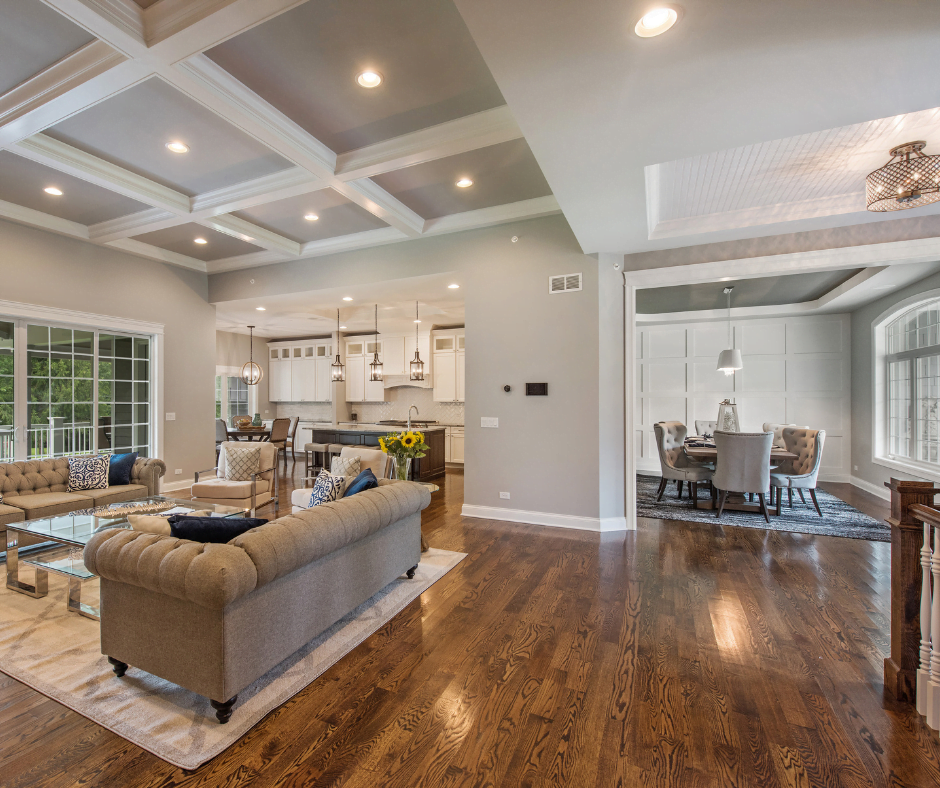
Solid hardwood flooring is a single piece of wood top to bottom, which makes it gorgeous and refinishable for decades - but also the most reactive to humidity swings. In homes without good crawlspace ventilation or consistent HVAC use, solid hardwood can cup or gap seasonally. It's still a great choice for well-conditioned, slab or well-vented crawlspace homes in Waxhaw, Weddington, and Marvin, but it's worth a moisture check before installing over a crawlspace.
Engineered Hardwood: A Climate-Smart Middle Ground
Engineered hardwood uses a real hardwood wear layer bonded over cross-layered plywood, which makes it far more dimensionally stable in humid climates than solid wood. That stability is why it's become the go-to recommendation for basements, homes near Lake Wylie, and slab-on-grade construction common throughout Indian Land and Fort Mill. You get the authentic look of hardwood with meaningfully less risk of seasonal movement.
Luxury Vinyl Plank: Built for Moisture
Luxury vinyl plank has a fully synthetic, waterproof core, so humidity and even standing water don't affect it the way they affect wood-based products. That makes it a strong pick for kitchens, mudrooms, basements, and any home where humidity control isn't perfect year-round - common in older homes throughout Monroe, Mint Hill, and Pineville. It's also the most forgiving option if your household deals with pets or frequent spills.
Where Tile and Laminate Fit In
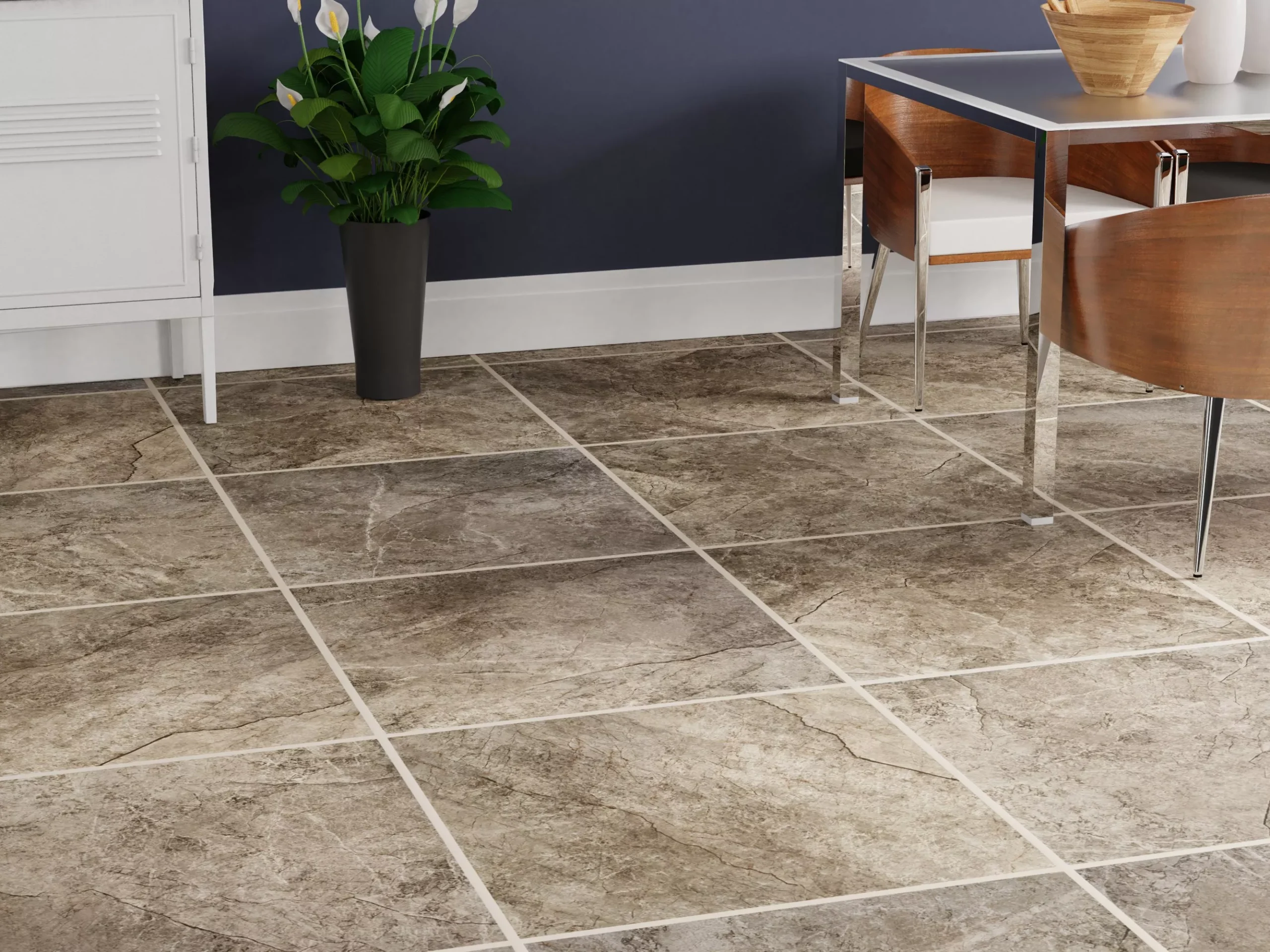
- Tile flooring is essentially immune to humidity and is the standard choice for bathrooms, laundry rooms, and sunrooms across our service area.
- Laminate flooring is more moisture-resistant than solid hardwood but still has a wood-fiber core, so it's best kept out of consistently damp rooms.
- Rooms with radiant heat or big south-facing windows see bigger daily humidity and temperature swings - engineered hardwood or LVP tend to hold up better there than solid wood.
Our Recommendation by Room
- Living rooms and bedrooms with steady HVAC: solid or engineered hardwood.
- Kitchens, mudrooms, and basements: luxury vinyl plank.
- Bathrooms and laundry rooms: tile.
- Homes near creeks, low-lying lots, or with older crawlspaces: engineered hardwood or LVP over solid wood.
Not Sure What's Right for Your House?
Every home in the Charlotte Metro Area handles humidity a little differently depending on age, foundation type, and HVAC setup. If your existing hardwood has already started cupping or gapping, our hardwood refinishing team can often restore it rather than replace it. Otherwise, Floor Decor & More will walk your home, check moisture levels, and recommend the flooring that will actually hold up - request your free estimate to get a straight answer for your space.